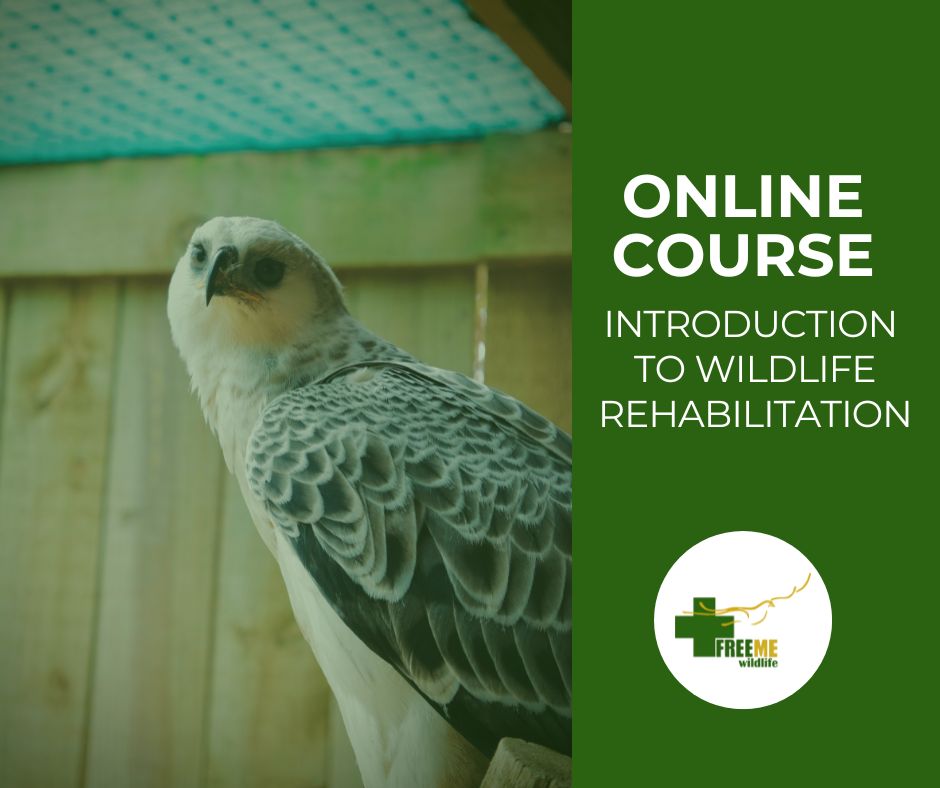
Introduction into Wildlife Rehabilitation

R1495,00

Course Outline

The wildlife rehabilitation course comprises 19 comprehensive modules, each tailored to equip wildlife rehabilitators and carers with essential knowledge and skills.

  1. Introduction – An overview of what wildlife rehabilitation involves and its importance in mitigating human-wildlife conflict.
  2. Capture – Techniques for safely capturing wildlife without causing harm.
  3. Transport – Best practices for transporting injured or rescued animals.
  4. Animal-Specific Rescue – Tailored approaches for different species during rescue.
  5. Admission – Initial procedures when admitting a wildlife patient.
  6. Disease & Parasites – Understanding common diseases and parasites that affect wildlife.
  7. Shock & Stress – Managing animals in shock or under stress during rehabilitation.
  8. Hypothermia & Hyperthermia – Recognizing and treating temperature-related conditions.
  9. Fluid Therapy – Methods of administering fluids to dehydrated or injured animals.
  10. Wound Management – Approaches to treat and manage wounds effectively.
  11. Fractures – Diagnosis and treatment of fractures in wildlife.
  12. Poisoning – Identifying and managing poisoning cases.
  13. Electrocution – Treating wildlife injured by electrical shocks.
  14. Oils, Glues, and Paints – Handling cases of wildlife contamination by oils, adhesives, or paints.
  15. Medications – Safe use of medications in treating wildlife.
  16. Cage Enrichment – Importance of environmental enrichment during rehabilitation.
  17. Release – Preparing wildlife for release back into their natural habitat.
  18. Release Site Selection – Choosing the right location for wildlife release.
  19. Post-Release Monitoring – Strategies to monitor animals after release to ensure their survival.


Each chapter dives into specific aspects of wildlife care, ensuring a detailed understanding of the rehabilitation process from capture to post-release monitoring.

Category:

Description

The wildlife rehabilitation course is absolutely essential for anyone wanting to do any kind of rehabilitation work with wildlife as it provides a comprehensive foundation for rescuing, rehabilitating, and releasing wildlife patients.

  • Through a series of chapters, it covers everything from rescues, capture and transport techniques, to admission and stabilization protocols, to captive husbandry, releases, and post release monitoring.
  • This introduction course also contains specific medical information referred to, but not covered, in many of the other courses, including:
    • Disease management (focussing on infectious and zoonotic diseases)
    • How to treat shock, dehyration, hypothermia, wounds, electrocution, poisoning, and fractures.
    • How to work out medication dosages, treatment protocols, and fluid replacement protocols.


This course is essential for those wanting to embark on wildlife rehabilitation, and is mandatory as part of the FreeMe Wildlife online courses. It is the longest and most comprehensive course FreeMe Wildlife has on offer and it provides the foundation of understanding that is necessary to proceed onto any of the more specialized courses.

We strongly advise that this course is followed with the introduction to wildlife nutrition course as the nutrition course contains comprehensive details on diets, supplements, feeding techniques, and recognizing nutritional deficiencies in wildlife patients.

For any enquiries, please drop us an email on courses@freemewildlife.org